Landscape Architecture
Landscape Architecture is where RDG's ecological science meets the built environment, designing places that work for people without working against the land. Parks, greenways, and trails become daily amenities and open up access to natural land people might not otherwise reach, and the work rarely stands alone, since a park redesign might fold in stream restoration and a trail gets routed around sensitive habitat rather than through it.
Where ecology and everyday life meet
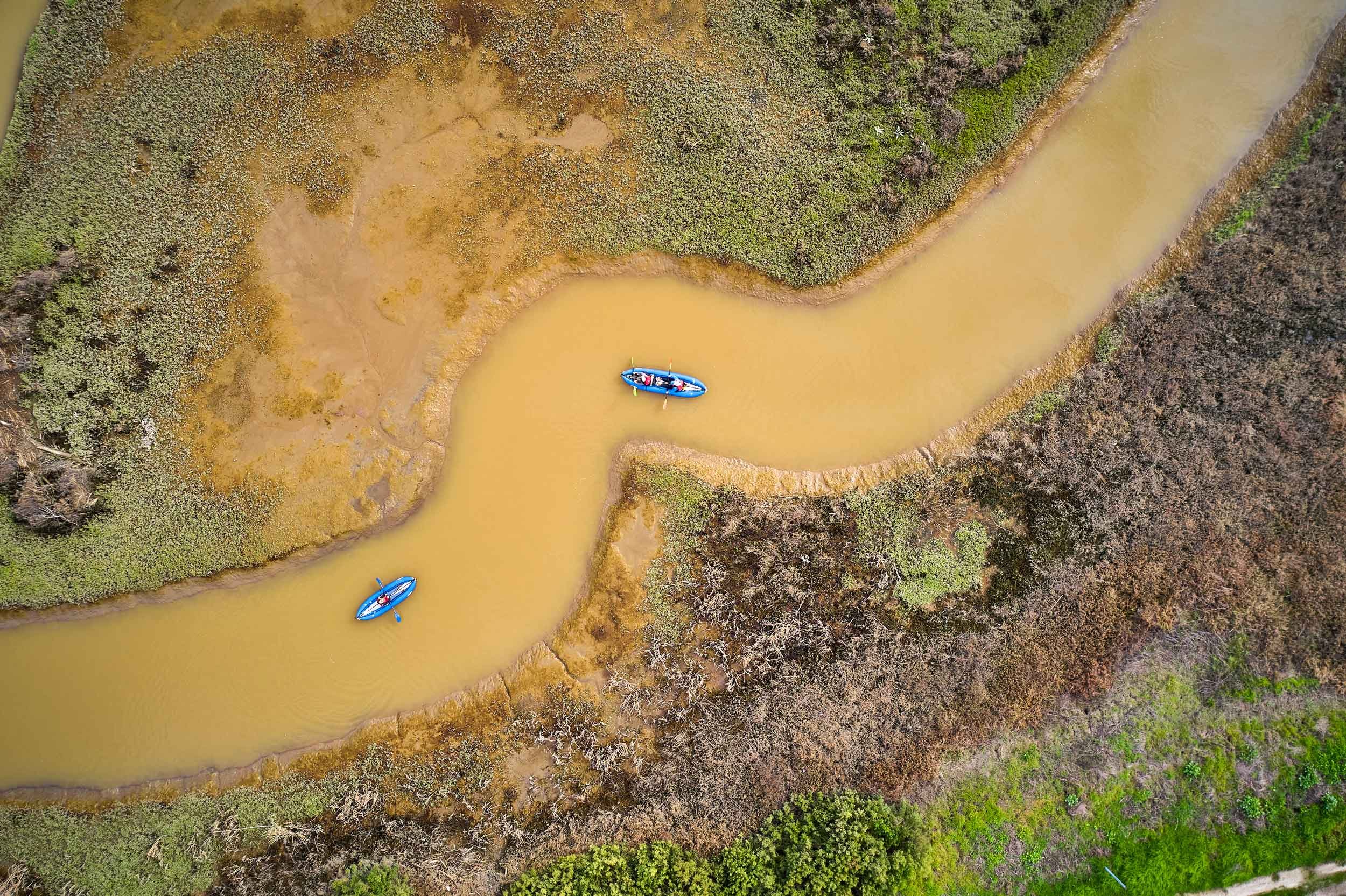
A park or trail can be judged two ways: does it work for the people who use it, and does it work for the land it sits on. RDG designs as if both questions matter equally. A trail gets routed to protect a sensitive slope. A park gets shaped around a restored stream instead of next to it. The land and the people who use it end up shaping the same design, not competing for space in it.
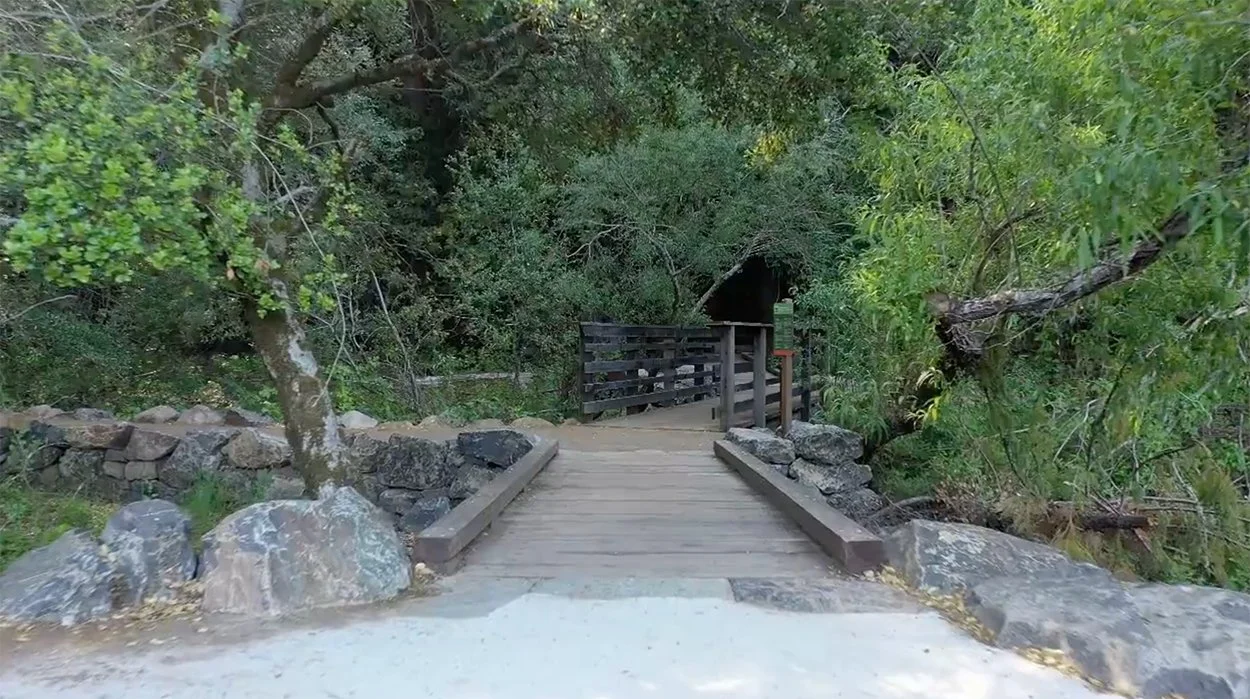
What this looks like in practice
Landscape Architecture at RDG breaks down into two connected areas, each shaping how people experience a restored or protected landscape.
Trails
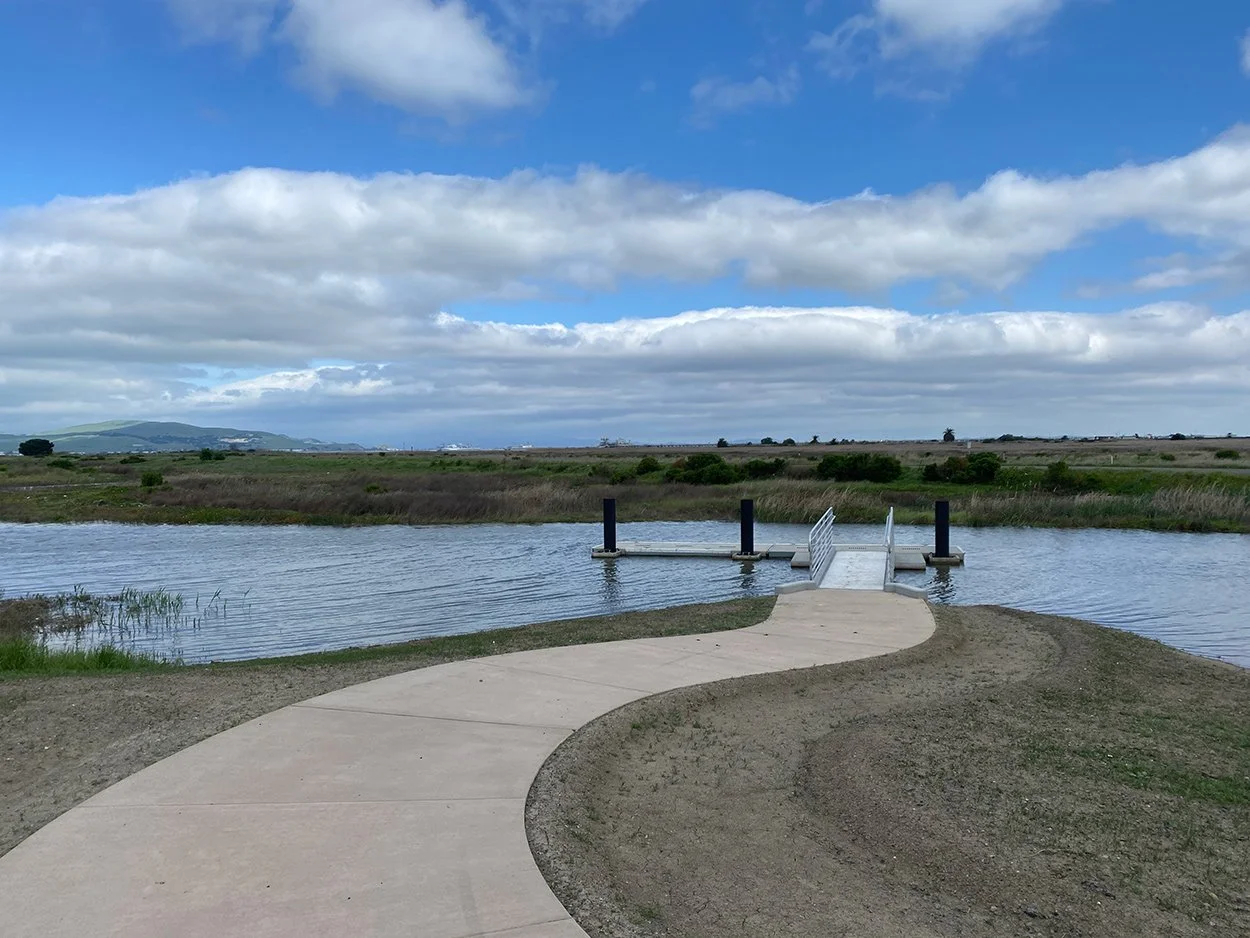
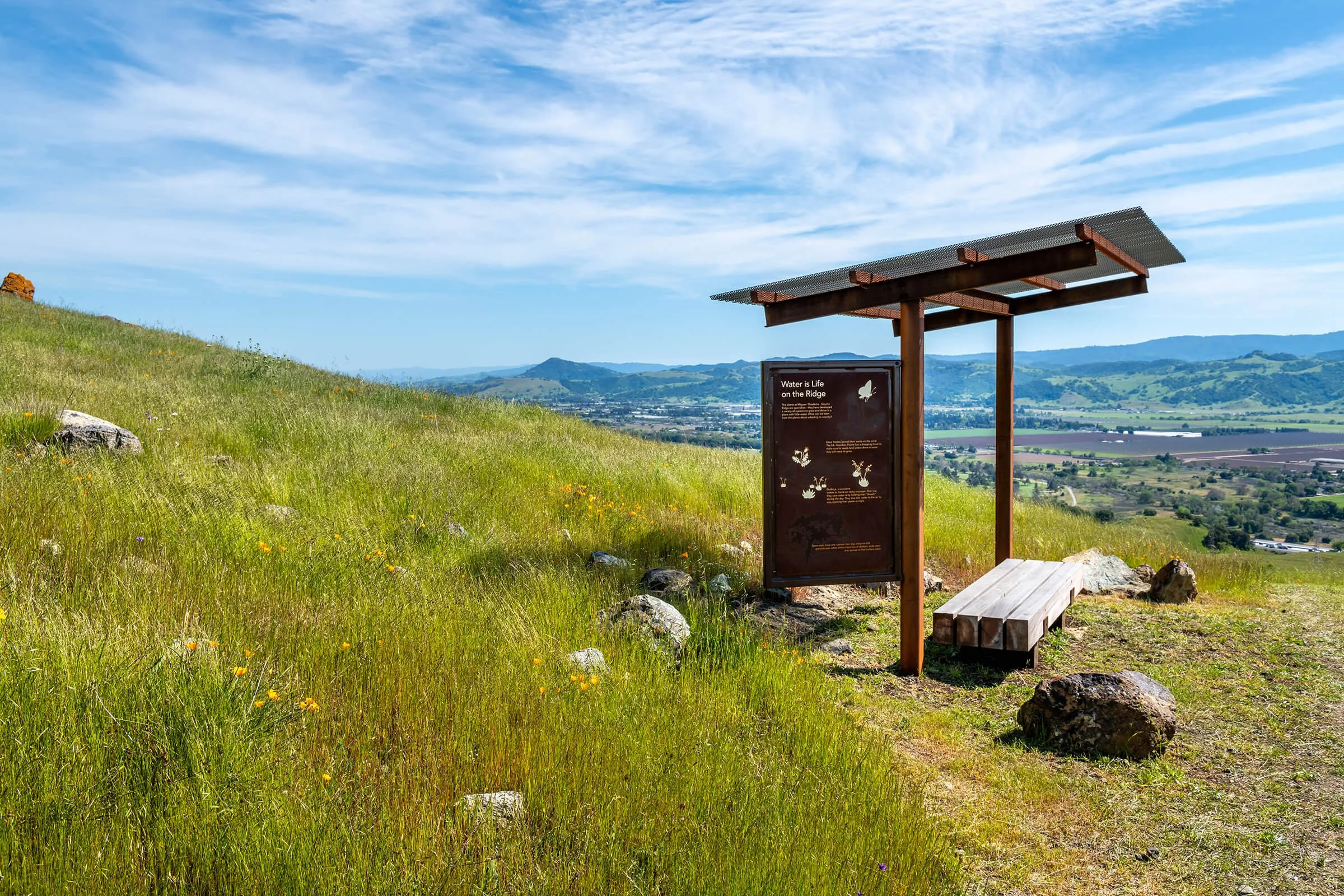
A recurring thread across nearly every project type. RDG plans and designs sustainable trails that reduce impact on sensitive sites while giving visitors routes that are enjoyable and, where possible, accessible to everyone. Trails often connect directly to creek restoration work, routed alongside the same stream they help protect.
Parks and Greenways
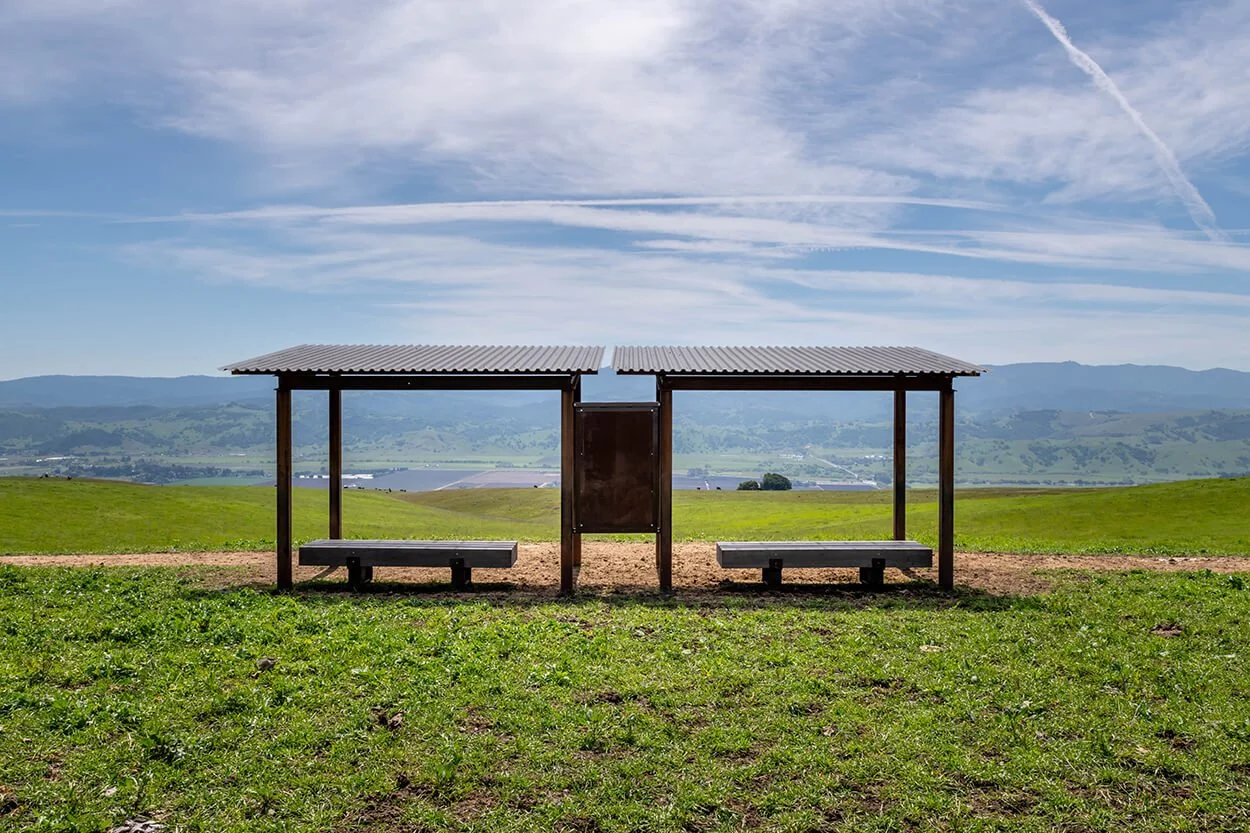
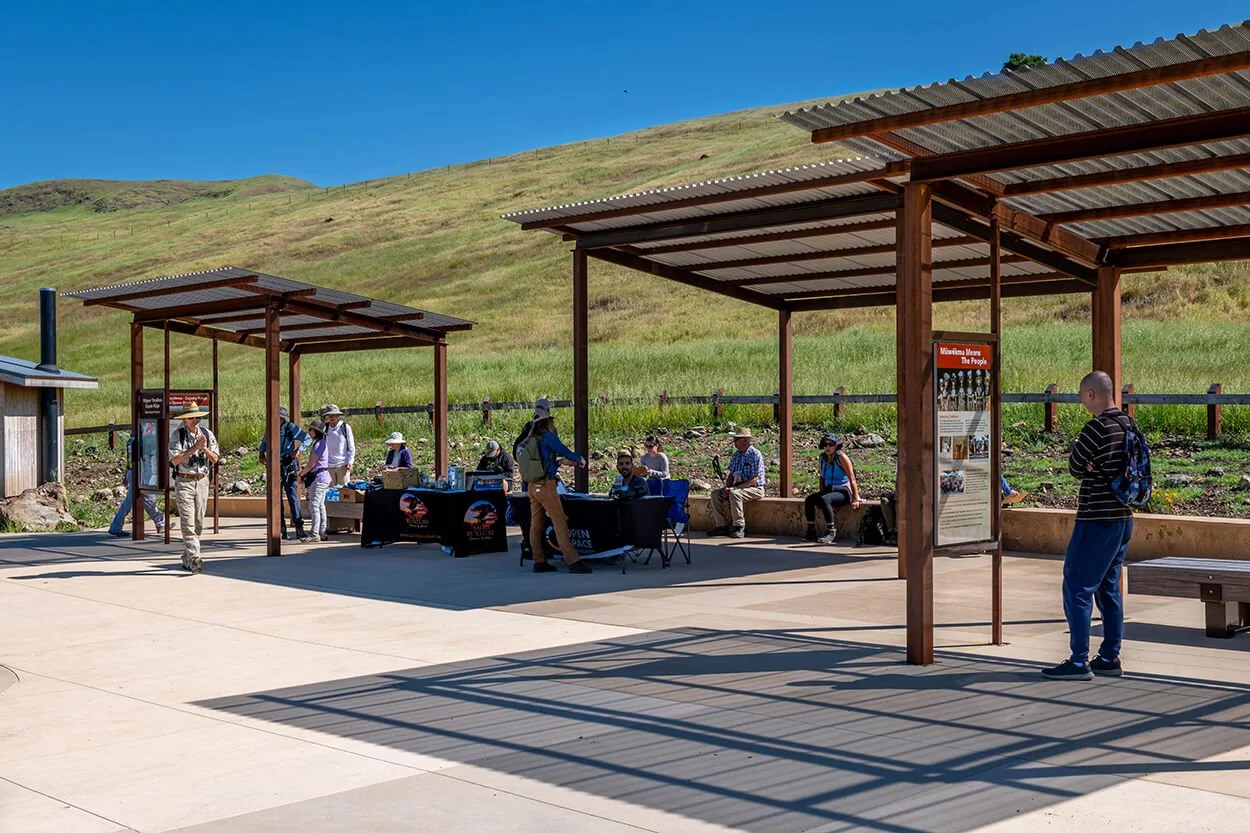
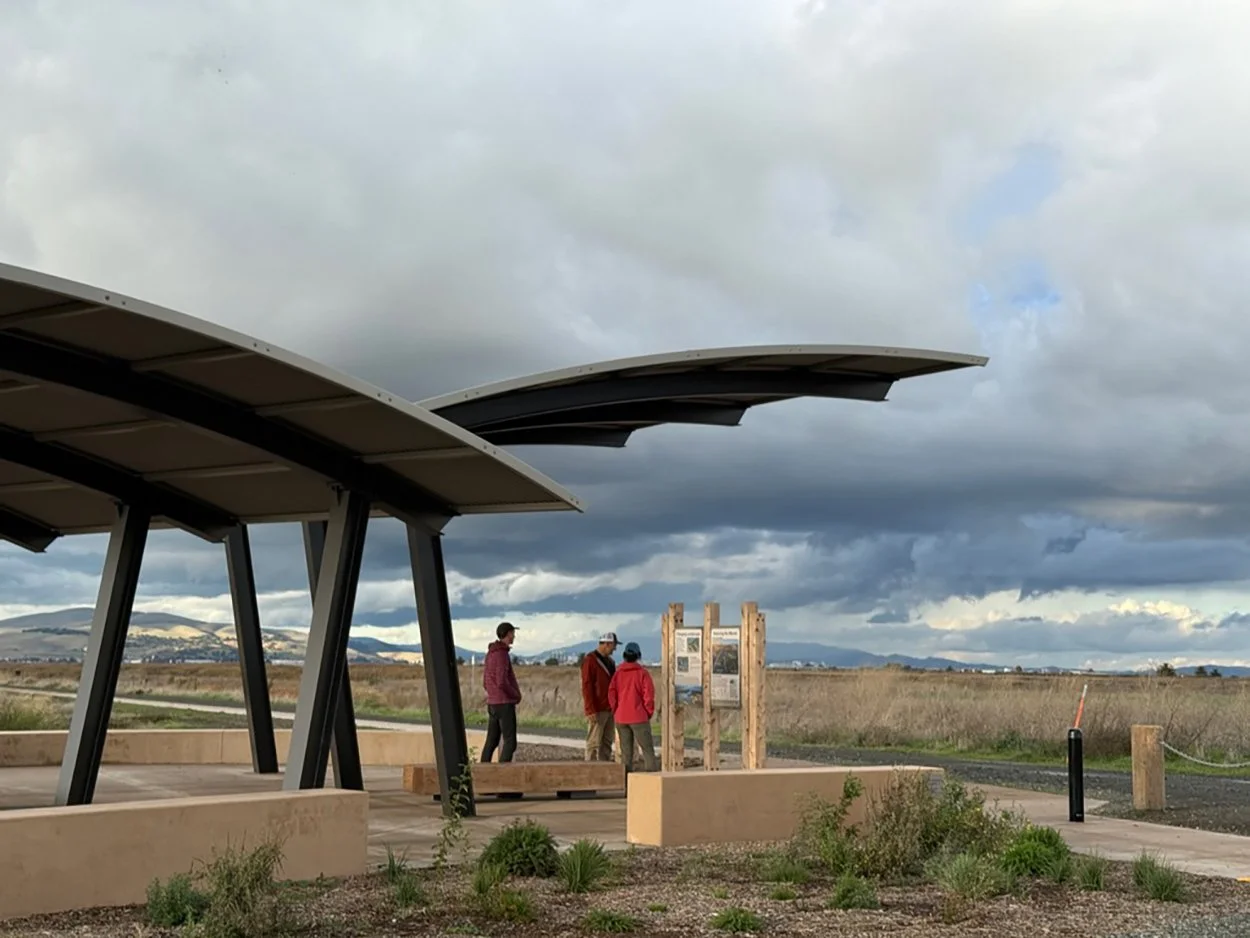
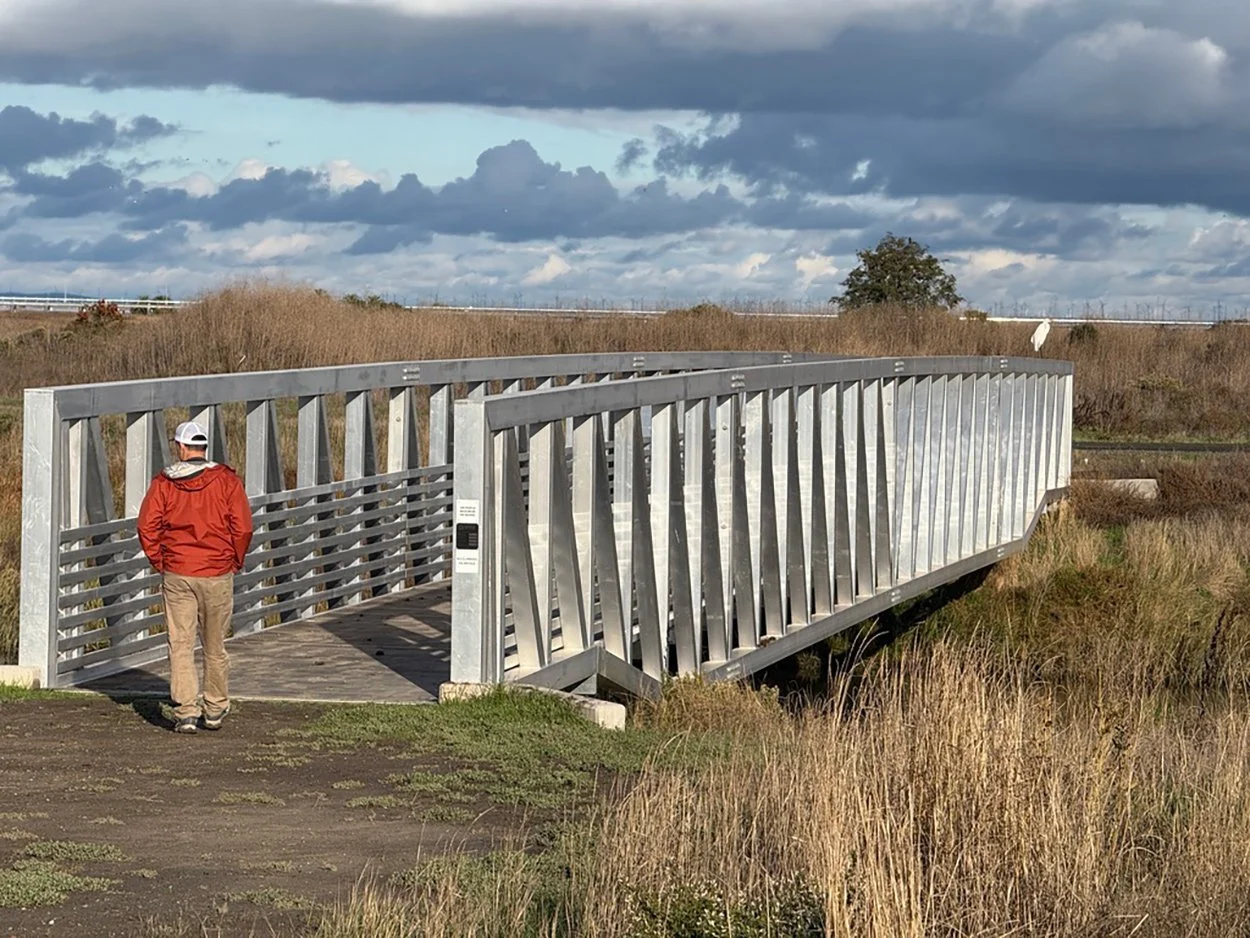
The broadest and most visible part of the practice. RDG's landscape architects design plazas, streetscapes, greenways, bridges, trails, parks, playgrounds, ball fields, and pocket parks, often rehabilitating aging or underused parks and weaving ecological restoration into active park programming. Greenways frequently serve as connective tissue across a community.