
Restoration Engineering
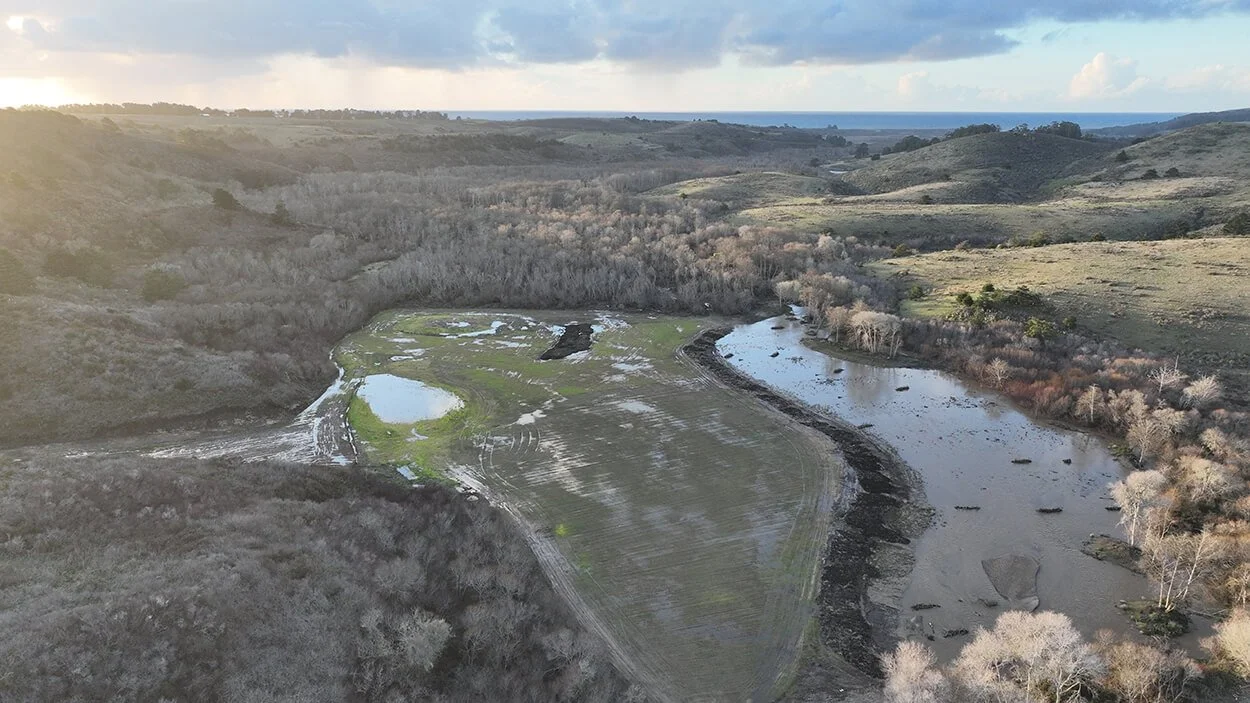
Restoration Engineering is the technical core of RDG's work, the science and design practice that brings damaged waterways back to ecological health. It runs the full length of a project, from the first site assessment through design, permitting, and long-term monitoring, and it produces streams that open fish passage back up, improve water quality, and reduce flood risk for the surrounding area.
Engineering that starts with ecology
Most engineering starts with a problem to solve. RDG starts with a place to understand. Every design grows out of what the geomorphology, hydrology, and ecology of a site are already telling us, so the fix holds up the way the landscape actually wants to function, not just on paper.
What this looks like in practice
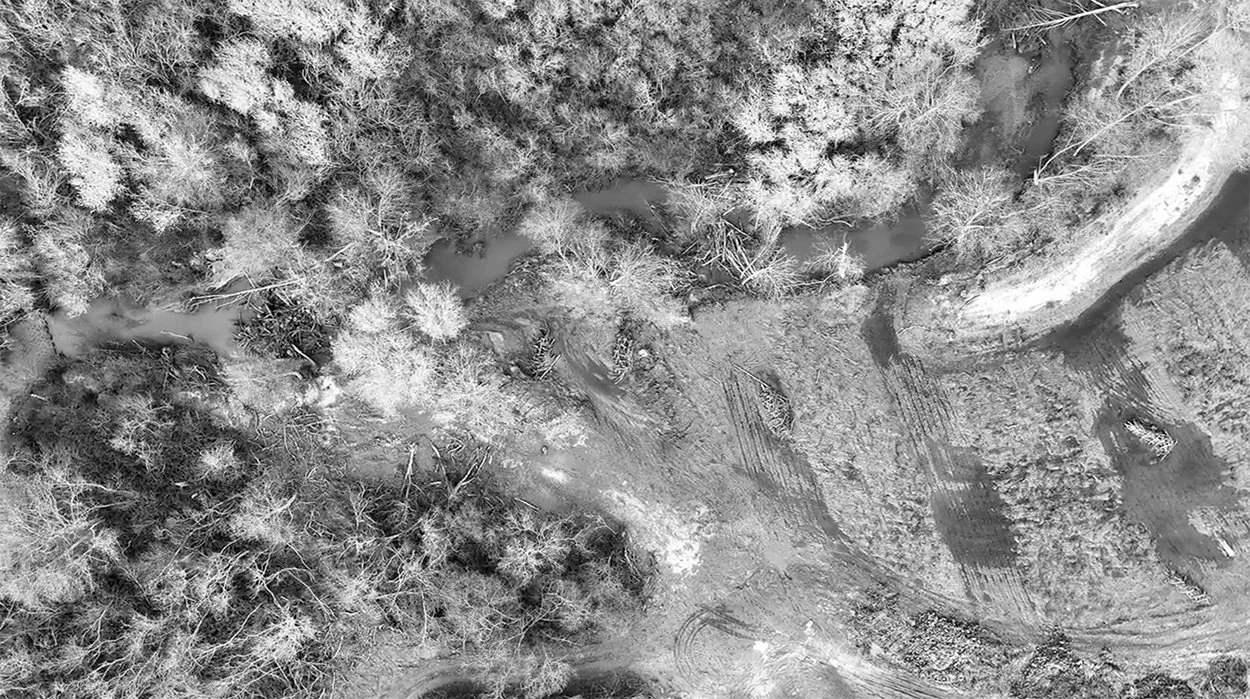
Restoration Engineering breaks down into four connected areas, each one a different angle on the same goal: a stream system that works the way nature intended.
Stream Restoration
RDG's most visible work. Removing culverts that block fish, daylighting buried creeks, stabilizing eroding banks, and redesigning channelized waterways so they behave like natural streams again.
Site Assessment
The modeling that proves a design works before any ground is broken. RDG runs hydraulic and hydrology studies, typically in HEC-RAS, to assess stream stability, fish passage, and constructed habitat features.
Hydrology and Hydraulics
Healthy streams start with healthy watersheds. RDG designs bioretention systems, rain gardens, and bioswales that capture and treat stormwater before it reaches the creek.
Green Infrastructure
Where every project starts. RDG reads a stream through fluvial geomorphology and reference site analysis to understand what it's doing, why it's struggling, and what a healthy version of it looks like.
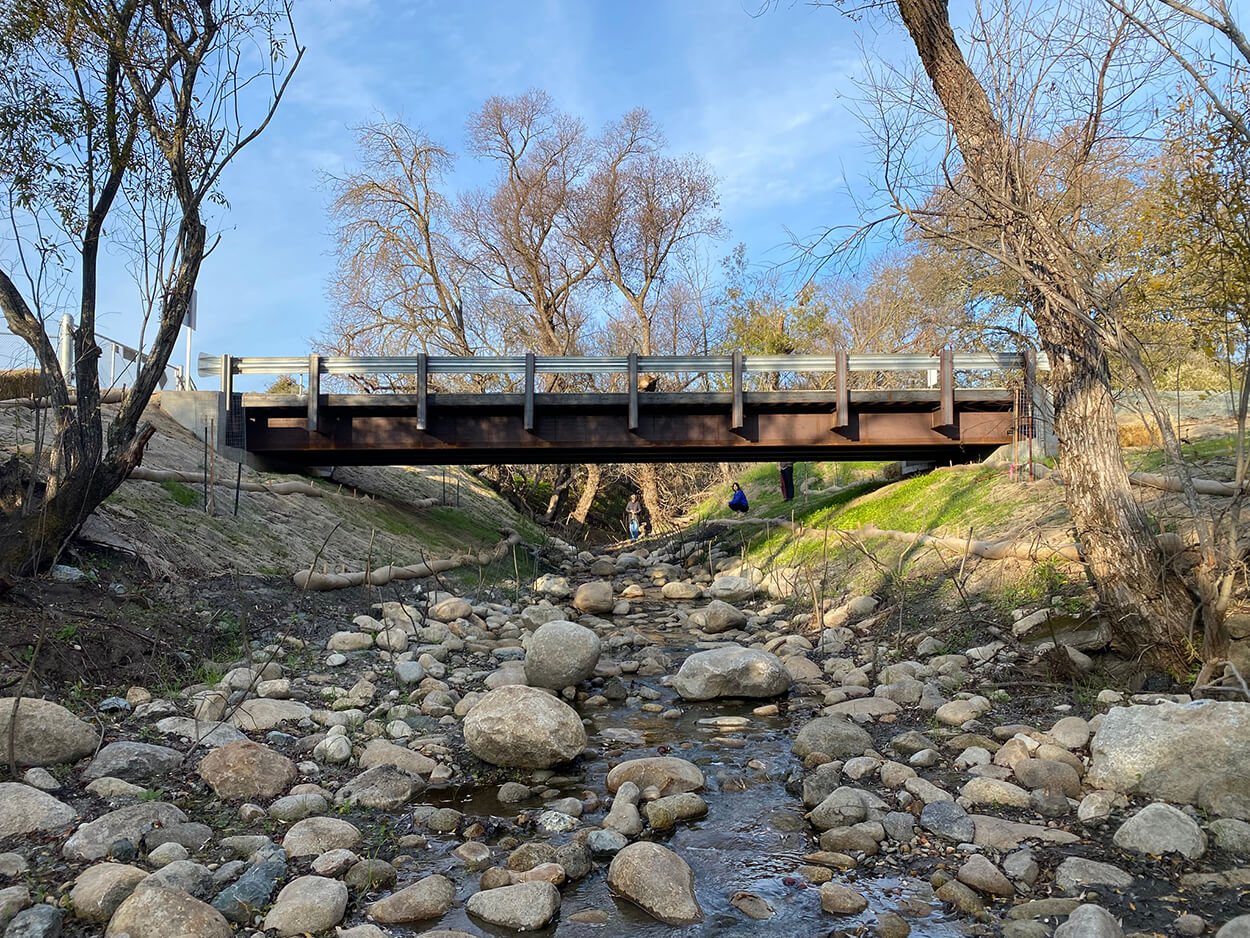
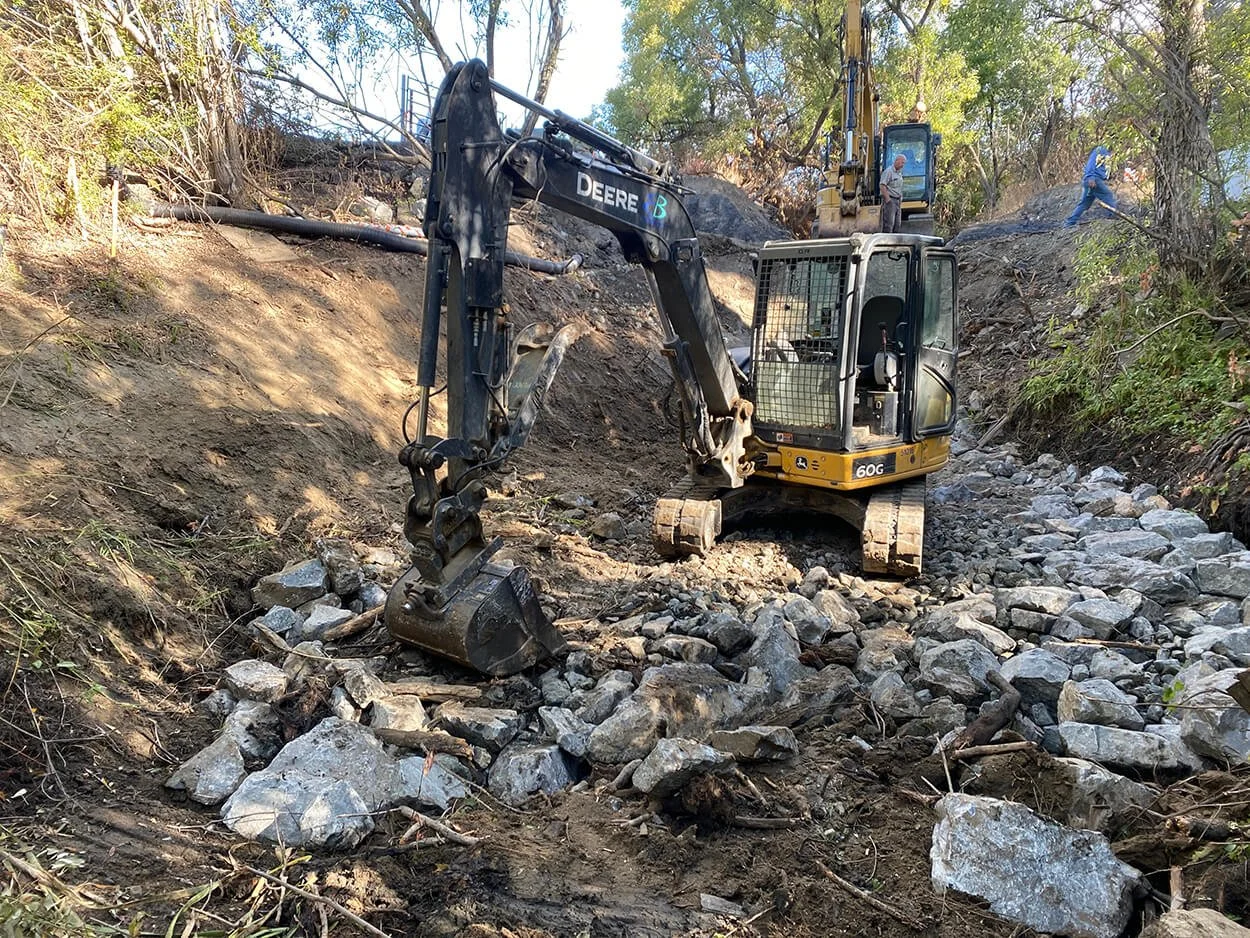
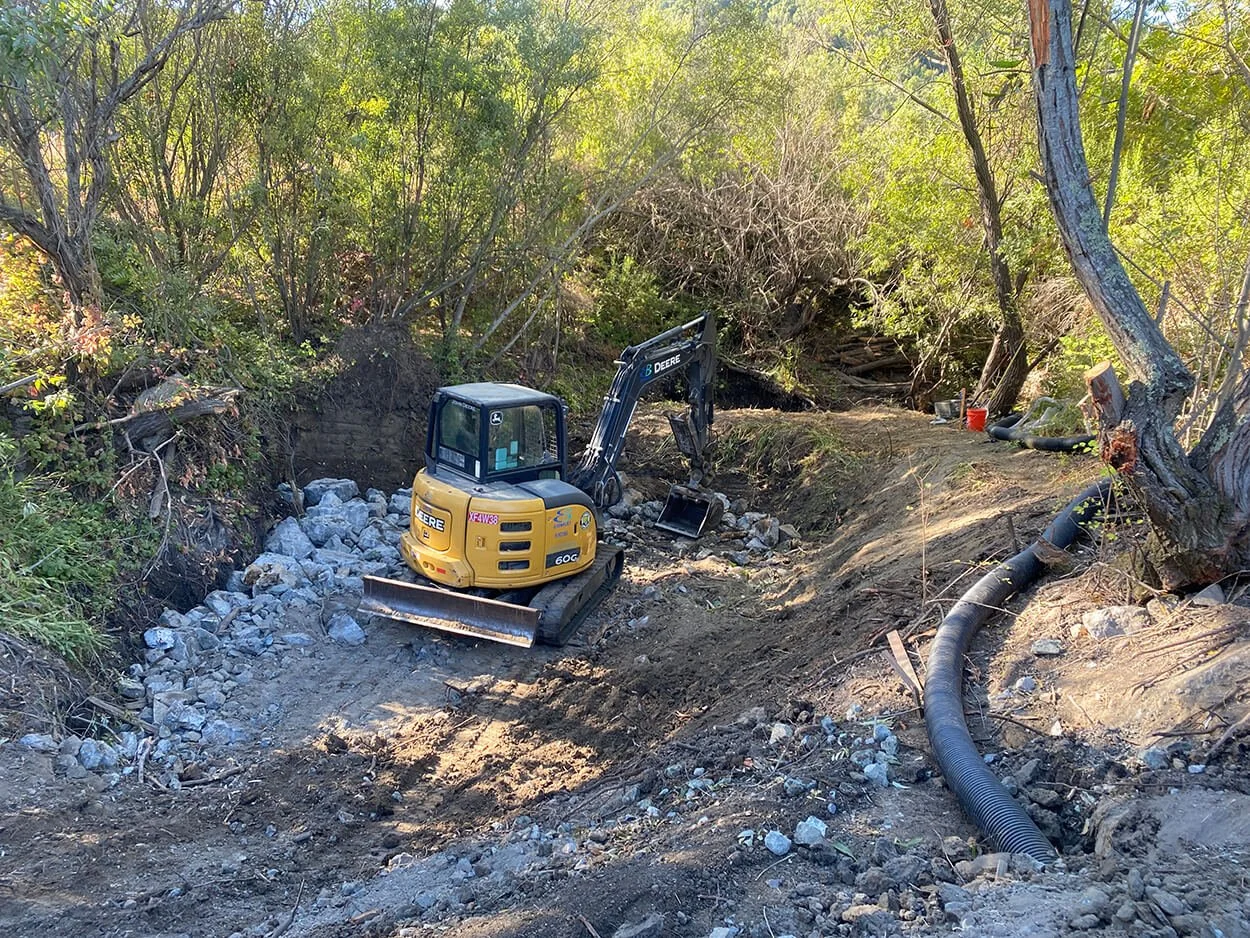
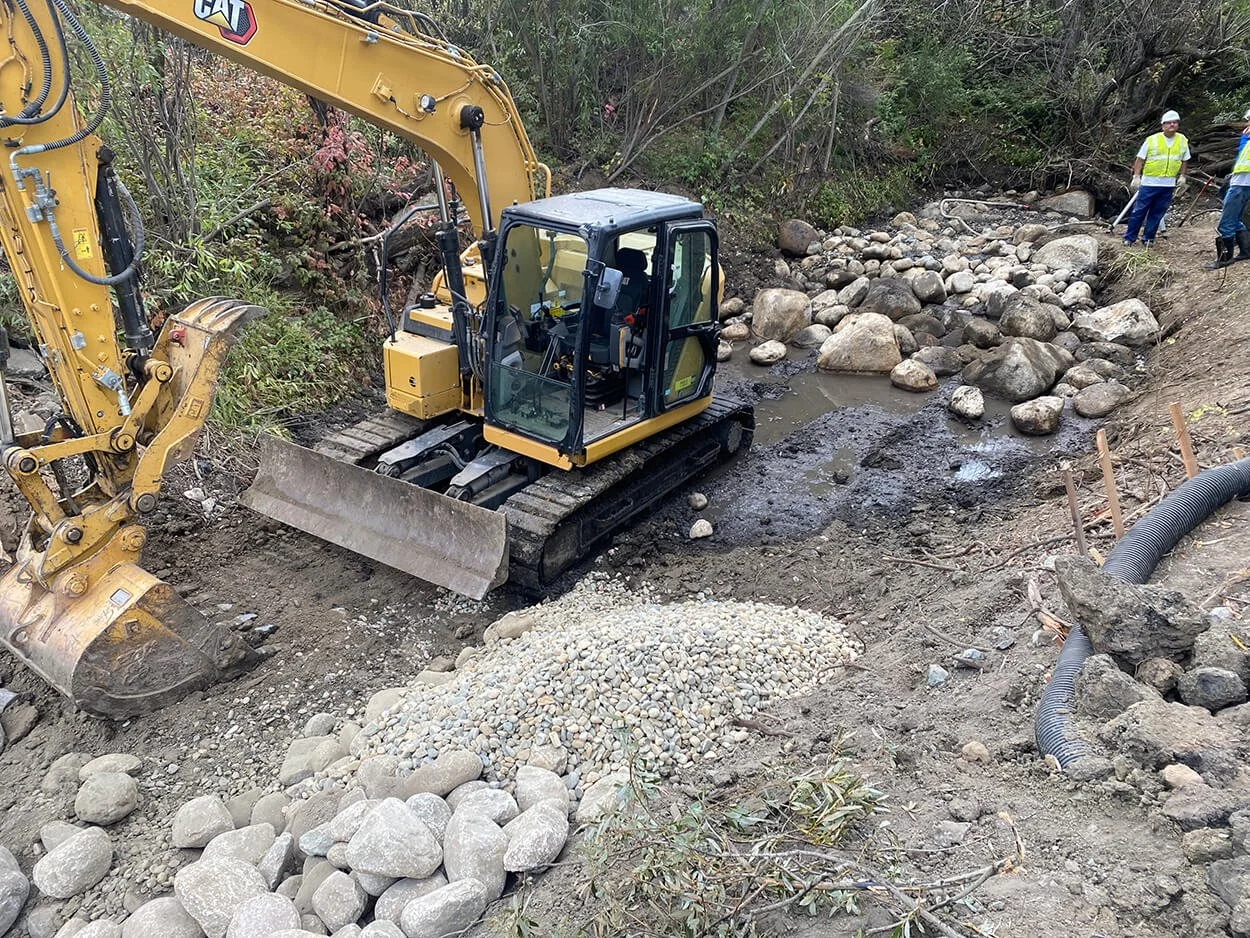
Tomato Stand Fish Passage Project
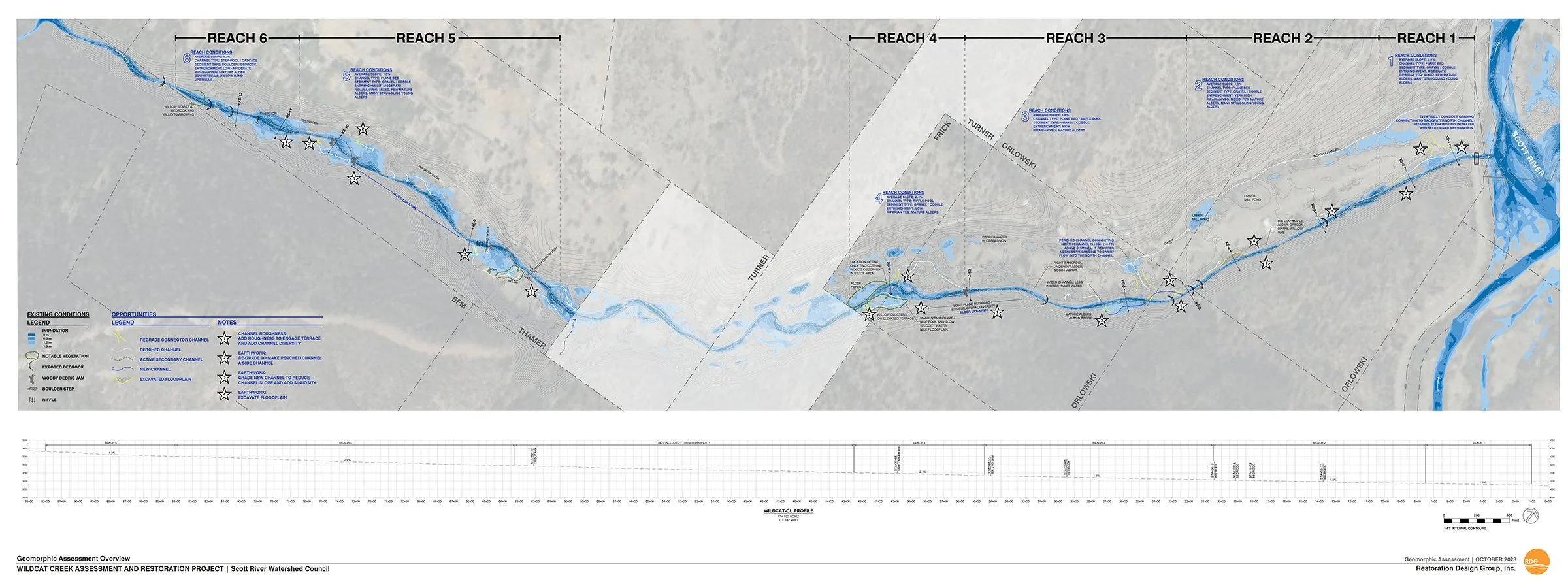
Wildcat Creek- Scott River Watershed