
Environmental
Planning
Environmental Planning is the strategic and procedural foundation that makes RDG's restoration and design work possible, working out what should happen on a site, who decides, and how permits and funding come together before Restoration Engineering or Landscape Architecture take over. Watershed plans turn scattered knowledge into shared strategy, permitting clears the regulatory path, and grant writing turns a strong design into a funded one, closing the gap between what a landscape needs and being able to act on it.
Clearing the way for restoration
A good design only matters if it can actually get built. RDG treats the regulatory and procedural side of a project as part of the design itself, not a separate hurdle to clear afterward. Permits get sought with the construction plan already in mind. Grant applications get written around a project that's realistic to deliver. Community input shapes decisions before they're finalized, not after. The work that happens before the ground breaks is often what decides whether the ground breaks at all.
What this looks like in practice
Environmental Planning at RDG breaks down into five connected areas, each addressing a different piece of what it takes to move a project from idea to reality.
Watershed Plans
Working at the largest scale RDG operates, watershed plans look across entire drainage systems to understand conditions, identify opportunities, and set direction for future restoration work.
Site Management Plans
Site Management Plans address the ongoing stewardship of conserved land. RDG works with landowners to develop management plans that guide how a property is cared for well after our direct involvement ends, balancing public access with long-term ecological health.
Permitting
Permitting is among the most consequential services RDG provides, often the one that determines whether a project happens at all. RDG secures permits from agencies including the Army Corps of Engineers and US Fish and Wildlife Service, building regulatory requirements into the design from the start.
Public Participation
RDG treats the communities living alongside a project as participants, not just stakeholders. Design charrettes, field visits, and public meetings bring local knowledge and priorities into the planning process.
Grant Writing
The step that turns a finished design into a funded one. RDG writes competitive grant applications grounded in realistic cost estimates and a track record of successful restoration, then stays involved managing the contract after funding is awarded.
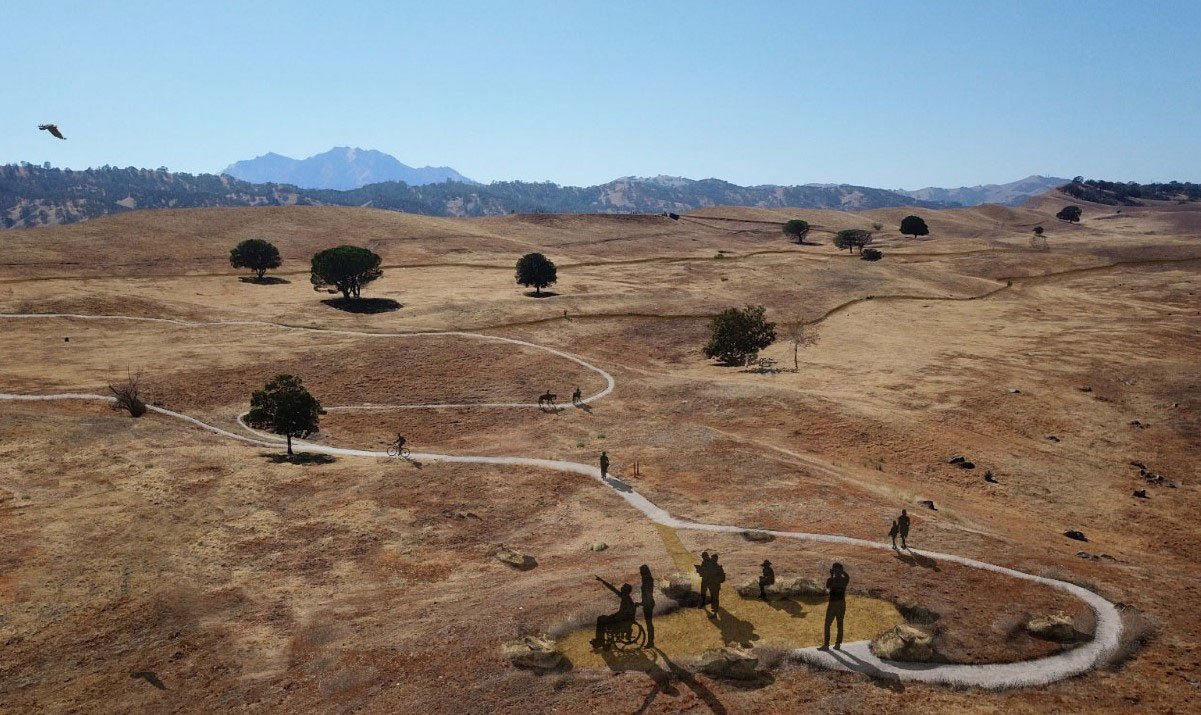
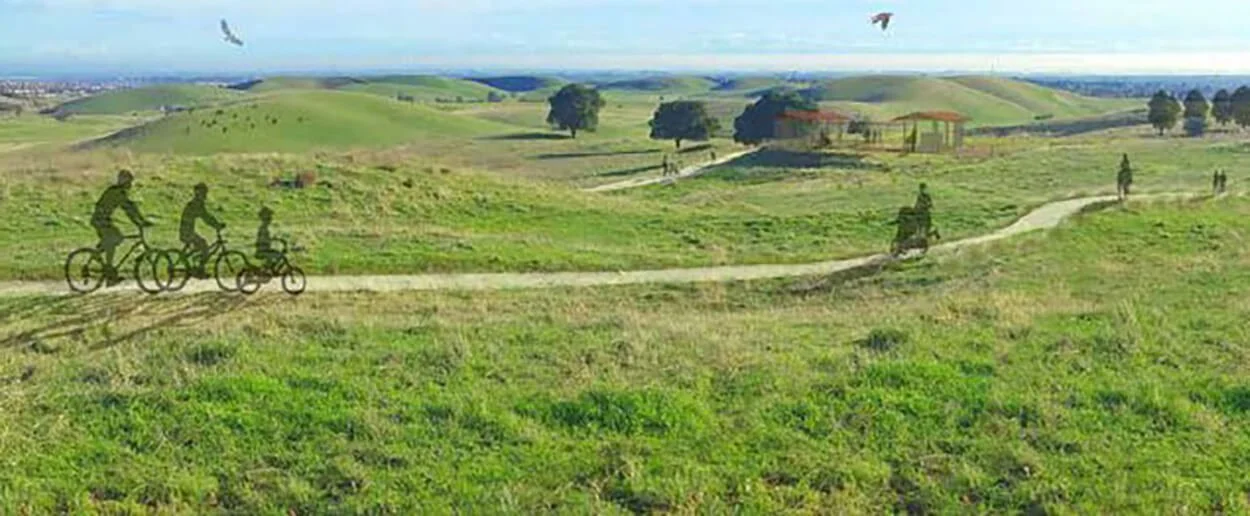
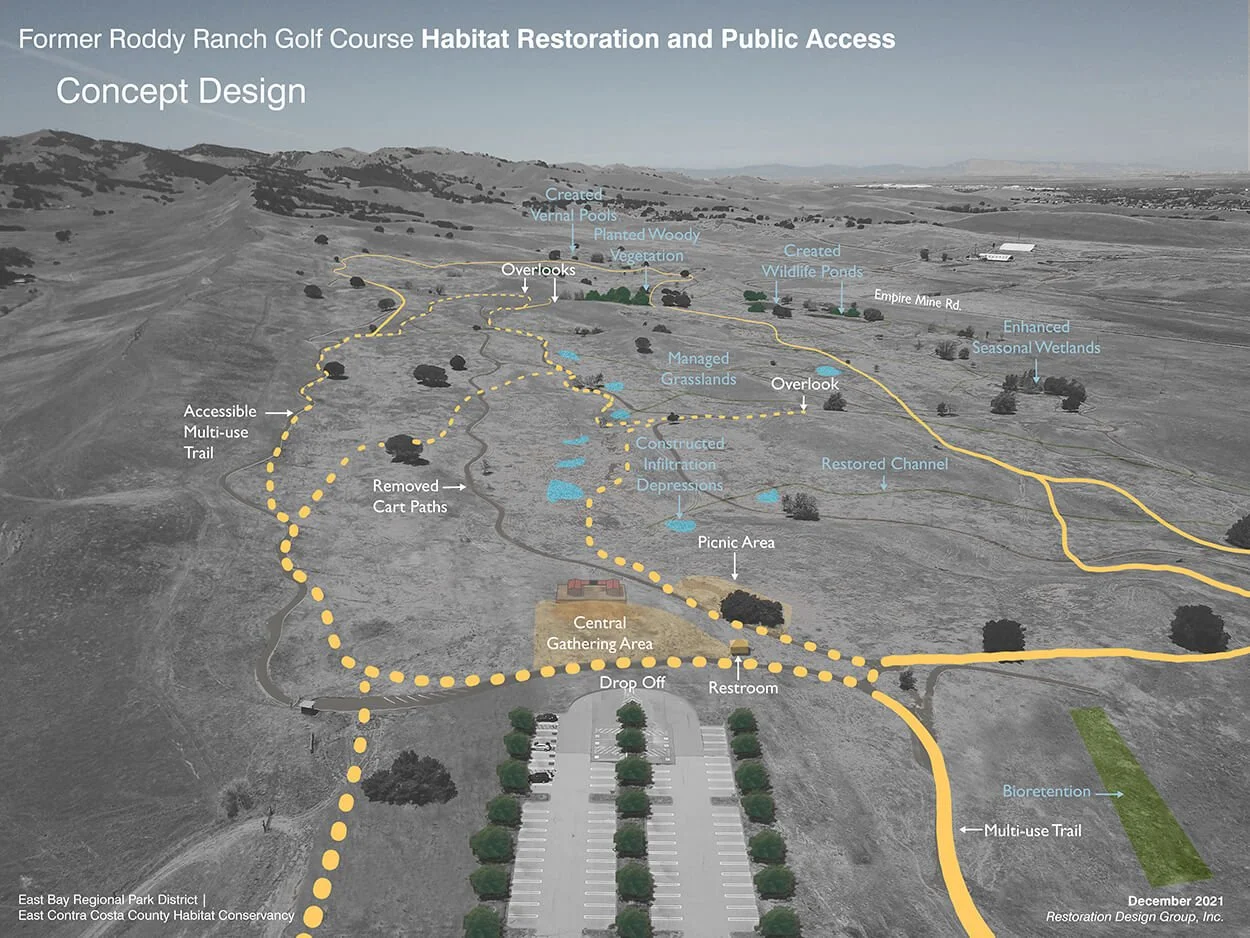
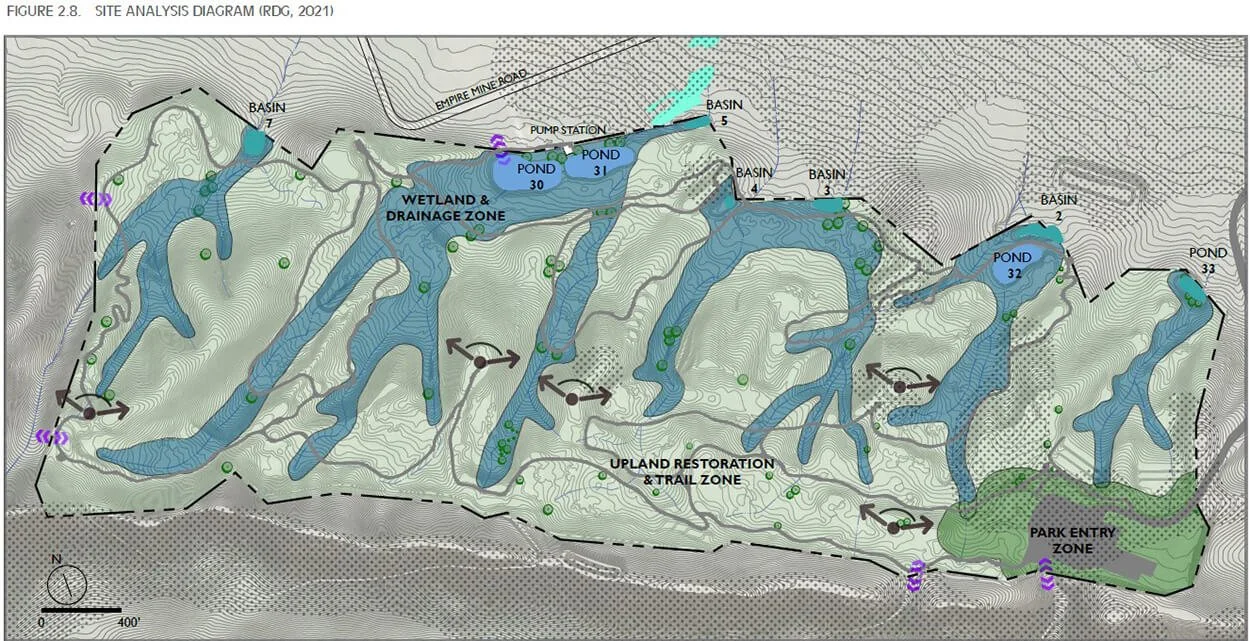
Former Roddy Ranch Golf Course Restoration and Public Access Plan
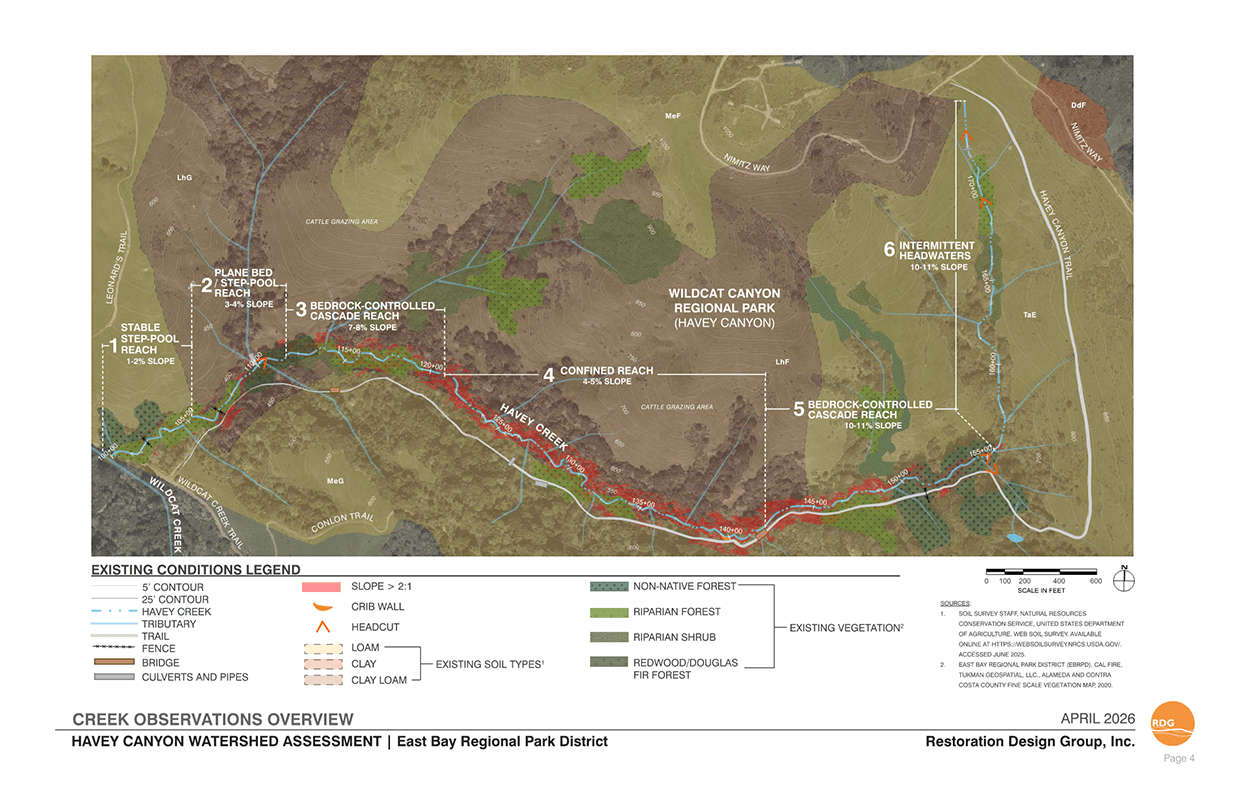
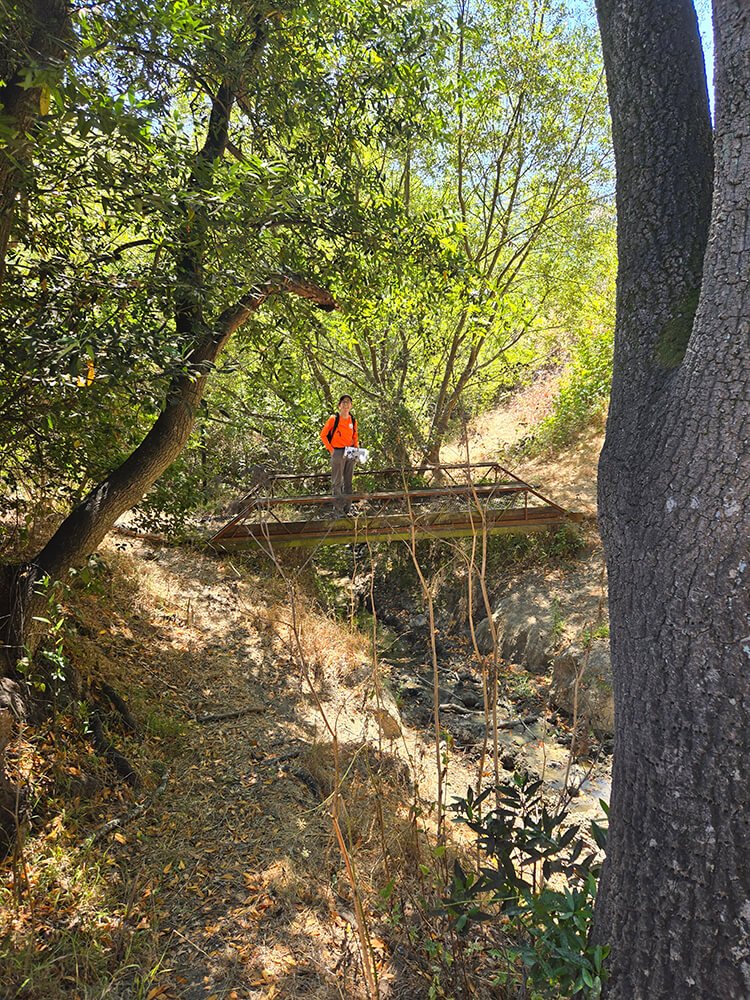
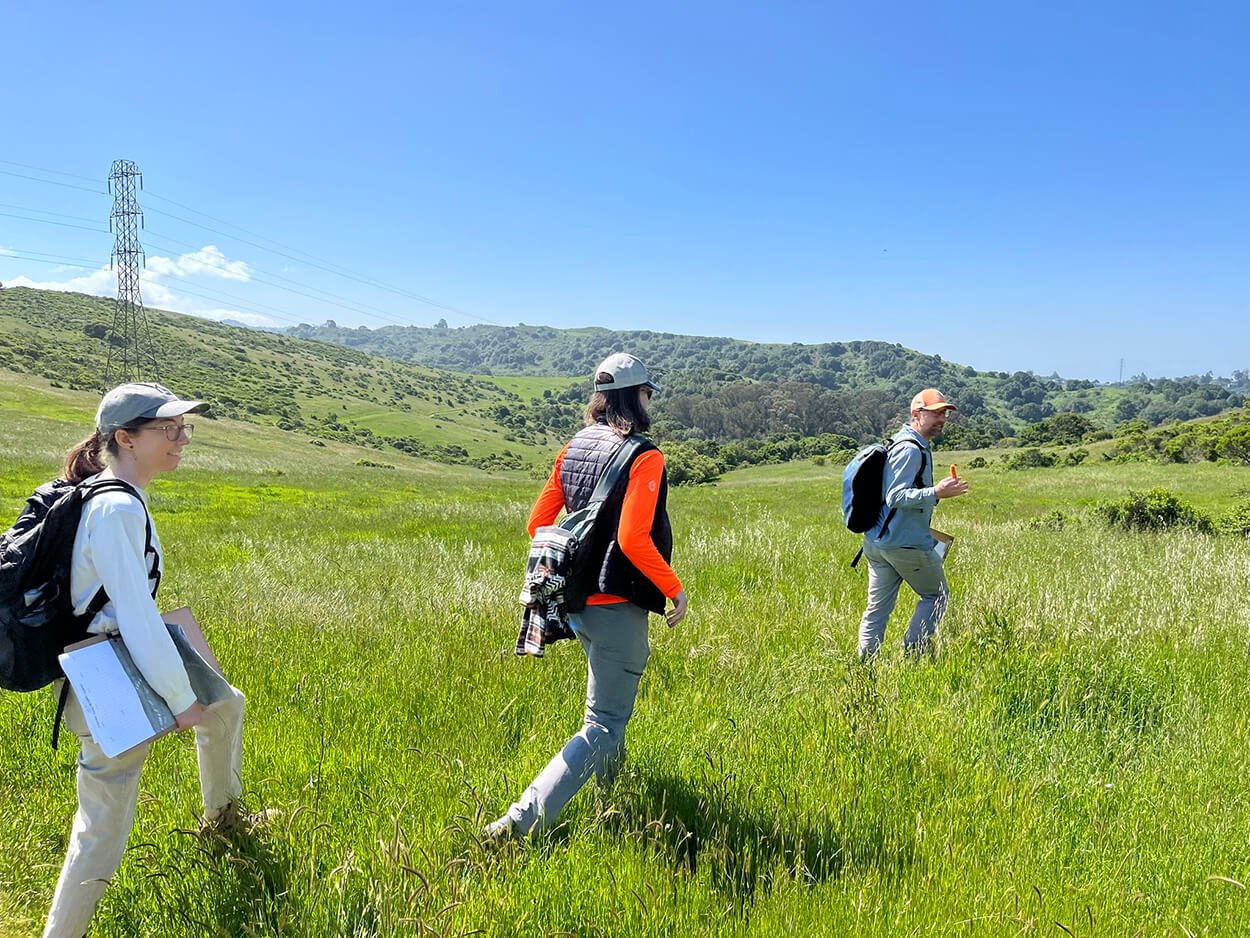
Havey Canyon Trail and Watershed Assessment